
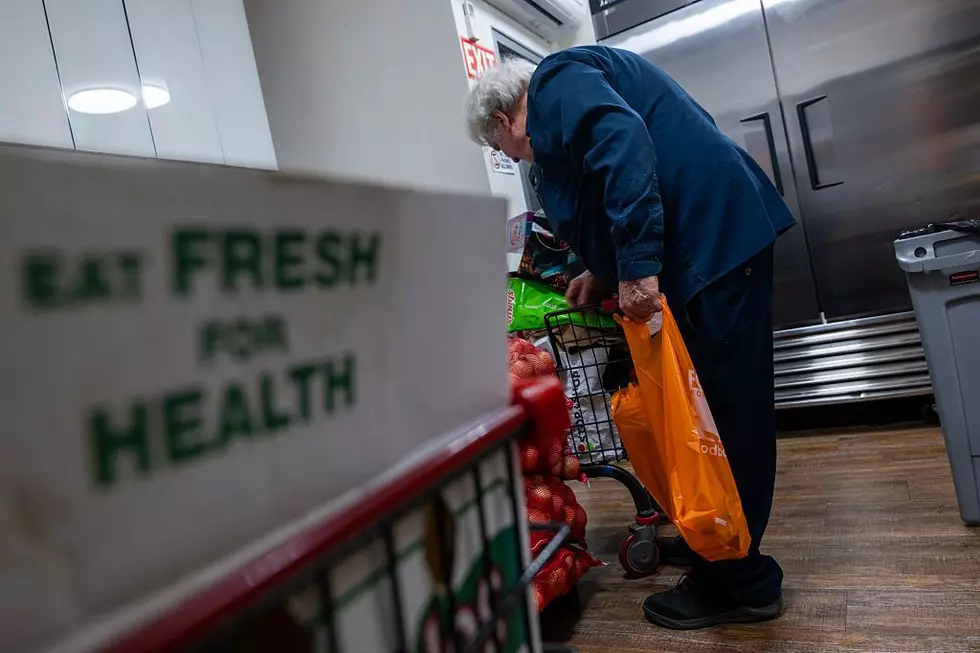
1.1 Million Massachusetts Residents Now Face Food Insecurity
Once we were hungry. Now, we are "food insecure."
According to a new study, more than a million people in Massachusetts are food insecure, but what exactly does that mean?
What Does “Food Insecurity” Really Mean?
"Food insecurity is when people can't access the food they need to live their fullest lives," according to Feeding America, a registered 501(c)(3) non-profit, the nation's largest domestic hunger relief organization with 200 food banks and 60,000 food pantries and meals programs.
"Food insecurity is an official term from the USDA," Feeding America said. "It's when people don't have enough to eat and don't know where their next meal will come from."

How Many Massachusetts Residents Are Affected?
A new report titled "Massachusetts Food Access Report: Hunger on the Rise" from the Greater Boston Food Bank and Mass General Brigham stated, "A record 40 percent of Massachusetts households – approximately 1.1 million – experienced food insecurity in 2025."

Why Hunger Is Rising Across Massachusetts
"The number of Massachusetts households experiencing food insecurity has
increased substantially, rising from 19 percent in 2019 to 40 percent in 2025," the report stated, reflecting "the compounding effects of Massachusetts' high cost of living, inflation, and, more recently, disruptions to food access programs following the 2025 federal government shutdown."
SNAP Benefits Falling Short
The report called the Supplemental Nutrition Assistance Program (SNAP) "insufficient." "Amidst federal funding cuts, 75 percent of Supplemental Nutrition Assistance Program (SNAP) participants reported they still need additional food support, and 78 percent of households received less than $300 per month in SNAP benefits," it stated.
Who Is Most Impacted by Food Insecurity in Massachusetts?
"Hispanic households have consistently experienced the highest rates of food insecurity during the past six years, with levels reaching 63 percent in 2025," the report said. "Black households (51 percent) and LGBTQ+ households (58 percent) continue to experience high levels of food insecurity."
RANKED: Your Favorite Childhood Bubble Gums
Gallery Credit: Stephen Lenz
LOOK: These Foods Look Nothing Like You'd Expect Before They're Harvested
Gallery Credit: Stephen Lenz
LOOK: Here's the signature side dish from each state
Gallery Credit: Stacker
More From WBSM-AM/AM 1420