Two Cities, Two Strategies: How Boston and New Bedford Are Driving Down Opioid Overdoses
In 2025, Massachusetts recorded 978 confirmed and estimated opioid-related deaths, falling below 1,000 for the first time since 2013, according to preliminary data shared by Mass.gov. If the numbers hold, it would be a 27 percent decline from 2024 and a nearly 60 percent drop from the 2,364 deaths in 2022.
The cities of Boston and New Bedford are making progress in the war against substance abuse, though each uses a different strategy.
According to the Boston Public Health Commission, Boston recorded 120 opioid overdose deaths in 2025, its lowest annual count in ten years and a decline of 29 percent from 2024.

New Bedford Cuts Opioid Deaths Through Education and Prevention
The news was better in New Bedford as well.
Citing information from the Massachusetts Bureau of Substance Addiction Services, New Bedford Public Information Officer Jonathan Darling said, "New Bedford had 329 opioid-related EMS incidents in FY25." Darling said it "was a 36 percent decrease from FY24 (511 opioid-related EMS incidents)."
"New Bedford had 40 opioid-related overdose deaths in calendar 2024," according to Darling. "This was a 49 percent decrease over calendar 2023 (78 opioid-related overdose deaths)."
There were 144 opioid-related ER visits in New Bedford in FY25, a decrease of 42 percent.
While progress is being made in reducing the drug carnage in both cities, each has a different approach to battling substance abuse.
Boston’s Harm-Reduction Model Sparks Needle Controversy
According to the Boston Herald, Boston Mayor Michelle Wu is a strong supporter of needle exchange, or syringe service programs, as part of her "harm-reduction" strategy to prevent the spread of infectious diseases such as Hepatitis C and HIV.
New Bedford Mayor Jon Mitchell said, "The Greater New Bedford Opioid Task Force has focused its approach to battling substance use on education and prevention, rather than facilitating opioid use with needle exchange and similar programs."
"Led by the City's Health Department, the Task Force has forged regional partnerships with service providers, boosted educational efforts and expanded outreach programs, and the results are encouraging," Mitchell said.
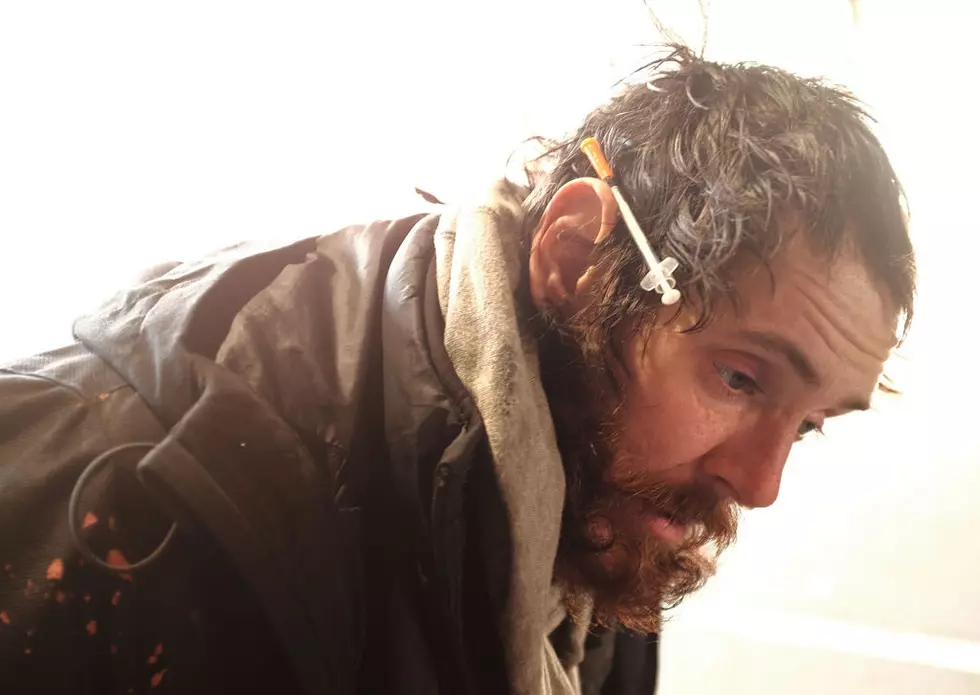
Boston, on the other hand, distributes around 80,000 clean needles to active users each month, according to Mass Daily News. That amounts to more than four million taxpayer-funded needles since Wu took office, and it comes with an even greater cost.
"Boston is now logging roughly 36 (discarded) needle pickups a day – more than 1,000 in the past month – with the syringes reaching Back Bay, Beacon Hill and the North End," reported Mass Daily News. The site said many needles are recovered near children's activities, including parks.
The Boston Herald reported that Wu believes needle exchange programs remove barriers to treatment rather than "eliminating accountability or letting anyone do whatever they want, whenever they want."
The Massachusetts Supreme Judicial Court ruled in 2017 that private non-profit groups do not need local health board permission to distribute clean needles.
The Massachusetts Department of Public Health's Bureau of Infectious Disease and Laboratory Sciences provides a search engine for syringe service programs on its website.
Parents Should Familiarize Themselves with These Illegal Drugs
Gallery Credit: Cindy Campbell
Country Stars Who've Overdosed on Drugs + Alcohol
Gallery Credit: Sterling Whitaker
More From WBSM-AM/AM 1420