The Secret to Training a Hound: Why Traditional Dog Treats Often Fail
Dogs were selectively bred for different purposes. From guard dogs to herding and hunting breeds, our canine companions have worked alongside humans in just about every way possible.
Many people today choose a dog based on reasons other than the job the dog was bred to do. Falling in love with a dog based on its cute floppy ears and puppy-dog eyes alone isn’t enough, though. You have to understand how to provide your dog with enough enrichment, training, and exercise to give them the best quality of life you can.
For families considering adopting a hound, that means understanding what it's like to train one.
Scent Hounds vs. Sighthounds: Visual Breed Myths vs. Reality
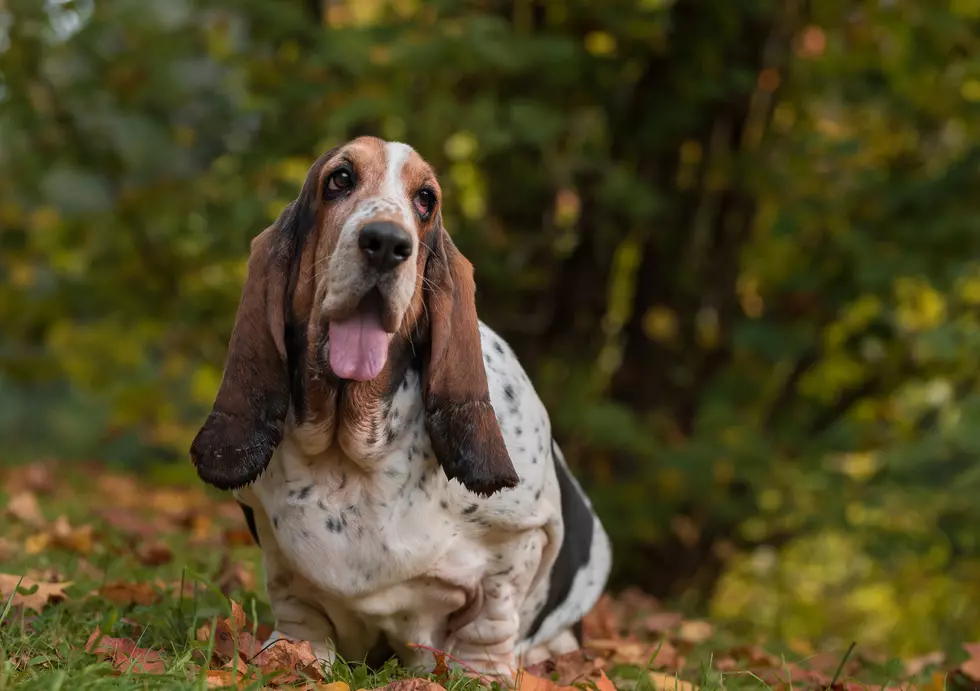
It’s not uncommon to see hounds and hound mixes in shelters. The American Kennel Club’s hound group includes both scent hounds and sighthounds. The difference between these two types primarily lies in how they hunt. For example, a beagle is a scent hound, bred to hunt by following a scent. If you look at a beagle, you’ll notice the long ears. These aren’t just for appearance; they are meant to help create a scent funnel. Sighthounds, such as the Borzoi, instead use their vision to hunt. They are also built for speed.
When it comes to hound mixes, you can try to figure out what type of hound a dog might be by looking at their build and what they like to do. A dog with long ears and a tendency to sniff might just be a hound mix, although appearance alone is not enough to identify a breed. According to one study comparing visual breed identification with DNA testing, shelter staff correctly identified one of the dog's predominant breeds only about 25% of the time.
Whether or not a hound, or any type of hound mix, is right for you depends on many factors, but it’s important to understand that all dogs, no matter the breed, require exercise and training. Unfortunately for hounds, there are some myths regarding their training. Some people might believe that all a hound will ever want to do is sniff, but many excel with training and dog sports such as obedience and Rally-O.

Building a Bulletproof Recall: Competing with High-Value Distractions
One of the first things you should work on with your hound is a recall. Using positive reinforcement techniques, you can train your dog to come to you when called. It’s important to practice recall under different circumstances. Don’t just call your dog when it's time to come inside from the yard. Make recall training a part of your daily routine.
Rewarding your dog has to go beyond treats. If your hound has to choose between the same treat you always give for coming when called and chasing a rabbit, the rabbit will almost always win. The key to success is training for an automatic response through repetition and a variety of reinforcement.
It’s important to work play into the training routine instead of only relying on food rewards. When it comes to food rewards, make sure that coming when called earns high-value treats a lot of the time. These are treats that your dog likes best. Alternate between the types of rewards you use.
Advanced Hound Skills: The Leash Drop and Using "Go-Sniff" as a Reward
You can also use sniffing itself as a reward. For example, if you’re out walking your dog, you can switch between sniff mode and attention mode. Use the cue “go-sniff” to encourage your hound to sniff and explore, and then call your dog back to walk by your side. Reward your dog for polite walking with sniffing breaks.
Another skill worth mentioning is the leash drop skill. This skill teaches your dog that if you accidentally drop the leash, it means to stop rather than take off.
READ MORE: The One Lifesaving Skill Every Dog Owner Should Practice
There are a lot of fun scent-based games you can play with your hound. From lost-item training to scent work, or even dragging a treat on a string around the yard to see if your dog can follow the trail, it’s fun to find out just how amazing a hound’s sense of smell is.
READ MORE: Scent Work for Dogs: Games, Tips, and Mental Enrichment
All dogs have unique training challenges, but learning to redirect their energy toward training games and enrichment activities can completely transform their behavior. These activities can also be fun for the entire family. Coming up with scent games for your hound can be an amazing way to appreciate what your dog naturally excels at. With the help of training and play, your hound can be a happy companion.
RANKED: Here Are the 63 Smartest Dog Breeds
Gallery Credit: Sabienna Bowman
LOOK: The least obedient dog breeds
More From WBSM-AM/AM 1420