
The One Lifesaving Skill Every Dog Owner Should Practice (But Probably Doesn’t)
Many of the common dog training skills make living with dogs easier every day, but there are a number of skills that deserve regular practice even though they aren’t needed as frequently.
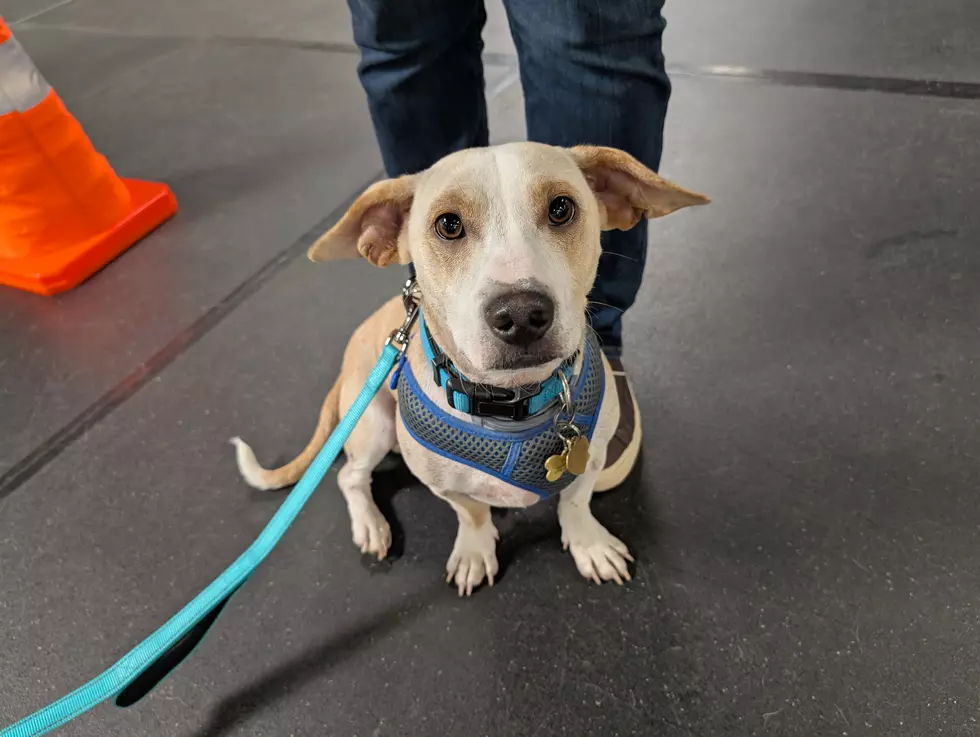
One of these important dog training skills involves teaching dogs what to do if the person on the other end of the leash accidentally lets go of the leash. While it doesn’t come up as frequently as skills like “leave-it,” the “leash drop” might just keep your dog from running away in case of a mishap.
As with everything we train our dogs to do, there are no guarantees the dog will respond with complete accuracy every time, but regular practice and a strong reinforcement history will increase the likelihood. The leash drop is an important skill because it teaches the dog to pause when the handler accidentally drops the leash.
If your dog has some training, you might be able to quickly call your dog to your side or cue a sit if you drop the leash in public, but taking it a step further by teaching your dog to automatically stop can add another layer of security.
Why Every Owner Needs the 'Leash Drop' Skill
Anyone can accidentally let go of the leash at the wrong time. You might stop to pick up after your dog, and between trying to open the smallest bag and keeping your dog still, you let go of the leash. You could drop the leash while switching hands or if you lose your footing.
How Dogs Read Leash Tension and Actions as Cues
Dogs notice everything. When the leash weight and tension change, dogs notice. We train dogs with verbal cues and hand signals all the time. The word down for example, is paired with the dog lying down. Dogs can also be taught to respond to actions. The act of reaching for the door could, for example, become a cue for the dog to sit and wait for permission to go through. Training the leash drop as a cue to stop is a skill that can be practiced in securely enclosed areas.

Step-by-Step Guide to Training the Leash Drop
Begin training inside or in a fenced-in yard so the dog can’t take off. Remove anything dangling from the leash, such as bag holders, and have some training treats prepared. Some dogs are nervous about a leash dragging next to them. Dogs that show signs of nervousness around their leash need a different approach.
For most dogs, the following method will work well. The first step is to walk around, encouraging your dog to move with you. This shouldn’t be a formal heel (when the dog is walking precisely to the handler’s left). Just encourage your dog to move around with you. Randomly stop and watch the dog’s movements. When all four paws are still, say “yes” to mark the right moment and then treat the dog. Repeat a few times so the dog easily stops when you do.
Next, drop the leash right before you stop moving. Again, reward the dog for pausing when you do. Soon, the leash drop will cue your dog to pause. Some people prefer to train the dog to sit or lie down when the leash drops, while others train the dog to freeze as is. Adding a release signal can help the dog know when to continue moving forward. Let’s say you want to intentionally drop the leash and have your dog keep moving. During training practice, having a cue to clearly communicate this to the dog helps.
The leash drop is a skill for preventing problems before they happen. It can be easily integrated into regular training practice and has real-world applications. It’s not a skill you’ll need every day, but it’s a skill worth training just in case.
LOOK: The least obedient dog breeds
RANKED: Here Are the 63 Smartest Dog Breeds
Gallery Credit: Sabienna Bowman
More From WBSM-AM/AM 1420