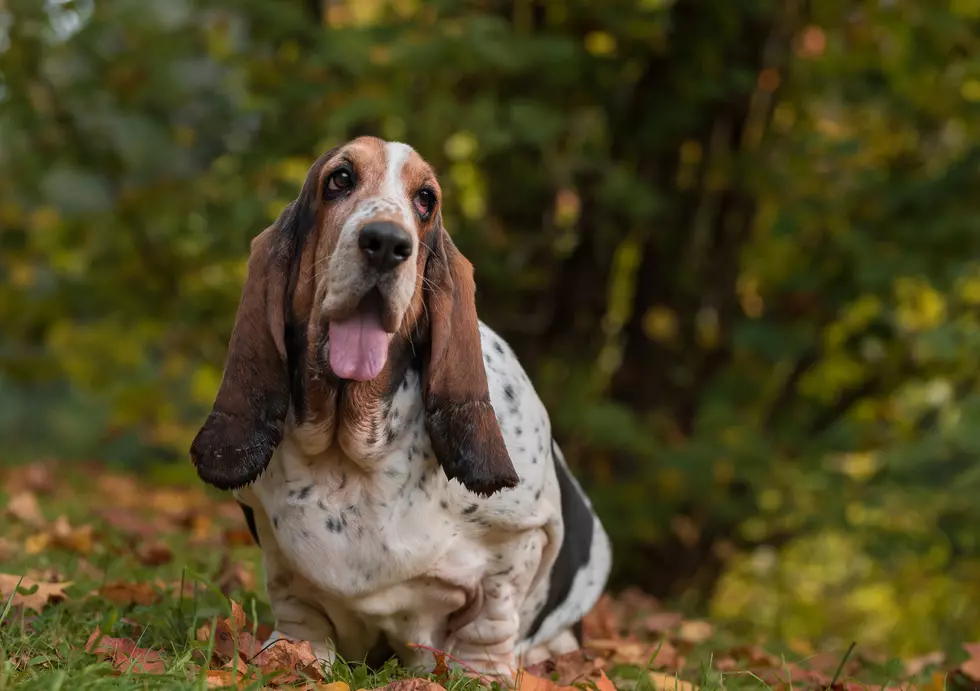

What Your Puppy’s Bad Habits Are Really Trying to Tell You
While behavior concerns vary greatly between puppies, there are a few common behaviors that most puppy owners will agree are less than ideal.
Knowing what to expect and how to address the most common annoying puppy behaviors can help dog owners navigate puppyhood with less stress.
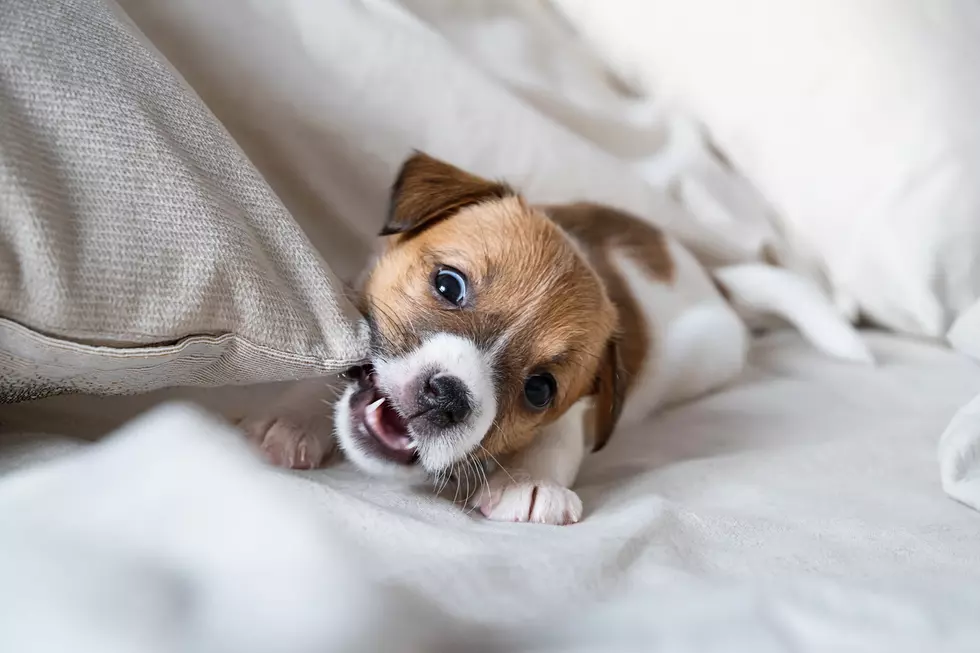
Puppies explore using all of their senses. Like adult dogs, they spend time sniffing. But another less-than-subtle way puppies explore their home is by chewing on objects and furniture that they haven’t yet learned are off limits.
Why Puppies Love Stealing Paper Towels
Besides shoes and remotes, puppies love to grab paper towels. During the house training phase, when puppies still have accidents inside, many puppy owners find that cleaning up turns into a game of chasing paper towels. While it might seem like an annoying tactic to ruin your day after the puppy already had an accident inside, it most likely started as a miscommunication.
When you go to clean up after your puppy, you get down to their level, which looks like an invitation to play. The motion of using a paper towel looks like moving a toy around. The first time your pup chases your hand with the paper towel in it, and you get frustrated, it likely still seems like play to the puppy.
To prevent this annoying habit, secure your puppy before cleaning up. Work on impulse control separately with toys and other items. Teaching pups that they should never take things from hands unless given the cue to “get it” can help. Prevent mistakes to prevent the habit from forming, and spend a few minutes a day teaching your puppy to ignore you as you wave a toy around or pretend to clean up with paper towels. Soon, you won’t have to prevent the behavior anymore because your pup will have learned to ignore the paper towels.
Stealing paper towels is one thing, but what if it's something more serious? Puppies like to put everything in their mouths, and they often try to pick up things off the ground. From rocks and sticks to garbage, a puppy doesn’t know any better. The behavior tends to occur early on in younger puppies, but it can persist if the puppy isn't taught what to do instead.
How Leave-It Training Prevents Dangerous Habits
To address this, begin leave-it training right from the start. You can start the training using food indoors. Cover a piece of food, but let your puppy notice it's on the floor and covered. When your puppy ignores the covered food and looks at you instead, say “yes” to mark the correct response and give your pup a treat. To further build on this, you should teach your puppy how to check in with you. Using the marker word “yes” allows you to have precise timing. When your pup looks up at you while out on a walk or even just practicing walking around the yard, you can mark the moment with the word “yes” and reward your pup.
The next step is to try walking over puppy toys and other items to teach your puppy to choose to ignore distractions. It takes practice and guidance to help young puppies learn these skills, but soon it gets easier the more you reinforce the correct responses. It’s important to supervise your puppy carefully while outside, as picking up items they shouldn’t can be dangerous.
Why Puppies Get Hyper at Night
Another common problem during puppyhood is that puppies seem to choose the time of evening when everyone is relaxed to show their worst behaviors. People describe this as their puppy having an unusual burst of energy. They might bounce and zoom around or bite at people for attention. While it might seem like puppies need more exercise during this time, oftentimes the opposite is true. Sometimes, when the puppy is over-tired or overstimulated, they will exhibit these behaviors, but that’s not always the case. To prevent your puppy from turning into a terror in the evening when you settle down, a routine change might be in order.

Make sure the puppy has had plenty of rest and quiet time as well as enrichment during the day. Puppies need to sleep a lot, but they also need to sniff, run, and play. There is a balance that can seem tricky to find. Training and enrichment sessions should be short and include breaks. You can find the right balance by observing your puppy. It’s just as important to give them a quiet place to rest as it is to provide the right amount of exercise. Sometimes changing the feeding schedule or potty schedule can help too. Avoid getting frustrated with your puppy. Instead, think about how to provide your puppy with calm structure and guidance in the evening.
Preparing for the Challenges of Puppyhood
While there are many other behaviors that will arise during puppyhood, being prepared for the top ones can help make those first few months a little easier. Before you get your puppy, it’s important to be prepared for how challenging they can be. Every dog is different, and if you have been lucky enough to raise a few easy-going pups, it doesn't mean the next one will be. Having the time and being prepared for the amount of work it takes to raise a puppy can help you have more fun and less stress with your pup.
KEEP LOOKING: See What 50 of America's Most 'Pupular' Dog Breeds Look Like as Puppies
RANKED: Here Are the 63 Smartest Dog Breeds
Gallery Credit: Sabienna Bowman
More From WBSM-AM/AM 1420