Marion Health Officials Issue Warning After Animal Tests Positive for Rabies
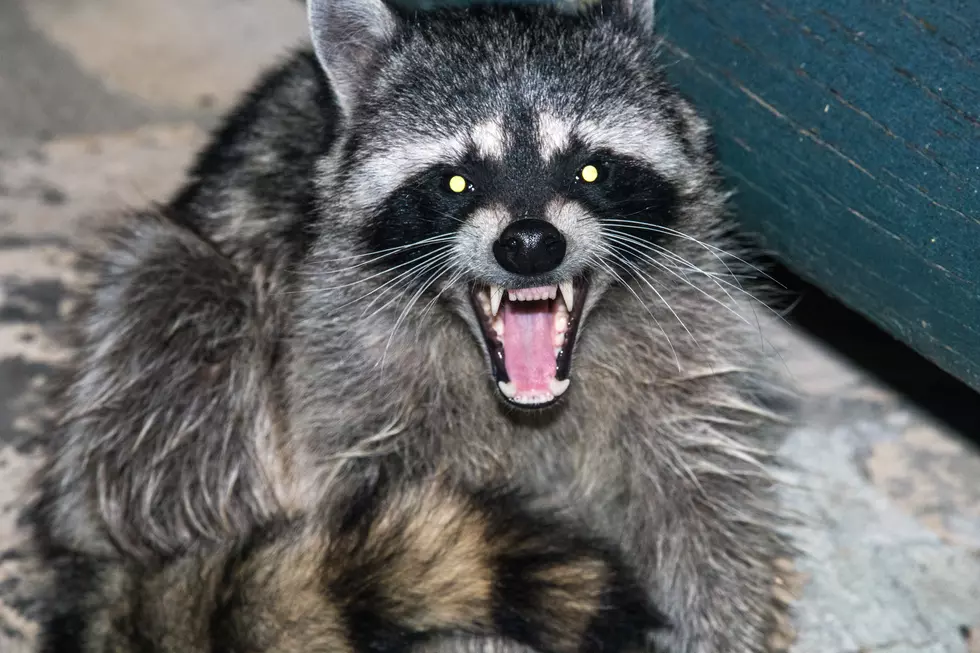
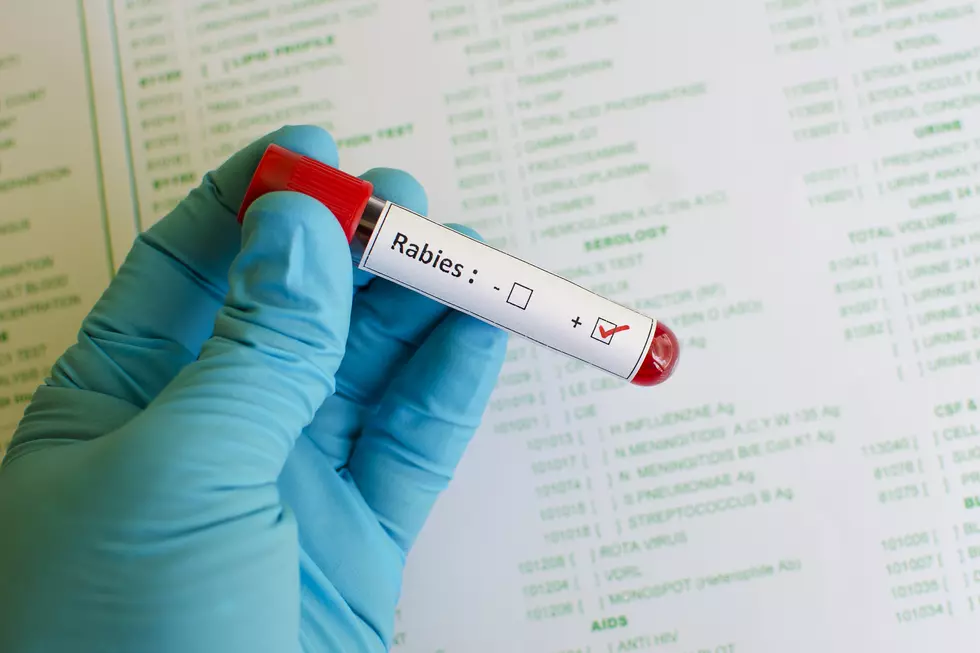
MARION (WBSM) — A raccoon in Marion has tested positive for rabies.
Where the Rabid Raccoon Was Found in Marion
According to a Town of Marion press release, the Massachusetts Department of Public Health notified the Marion Board of Health and Animal Control that a raccoon found in the area of Point Road near the water tower tested positive for rabies.
“The raccoon was acting oddly and was sent to the state for testing,” the release stated.
As recently reported by WBSM, raccoons are the No. 1 carrier of rabies in Massachusetts. Other animals likely for infection include bats, skunks, foxes, and woodchucks.
READ MORE: The Surprising Reason Why Rabies Exposure Reports Are on the Rise

Rabies Transmission and Human Health Risks
Rabies is caused by a virus transmitted through saliva from an infected animal getting into a bite or other open wound, or through the eyes, nose, or mouth of another animal or person.
Although there are fewer than 10 human deaths due to rabies annually, around 100,000 Americans must undergo treatment each year after they were potentially exposed to the disease.
Warning Signs of Rabies in Wildlife
Signs of rabies in animals include:
- Abnormal or aggressive behavior
- Lethargy, weakness, or paralysis
- Self-mutilation
- Seizures
- Excessive salivation
- Difficulty breathing or swallowing
If you see an animal you believe may be infected, keep a safe distance and contact your local Animal Control to report it.
Animals in Which Rabies is Most Commonly Found
Gallery Credit: Kristine Bellino
More From WBSM-AM/AM 1420