
Massachusetts Considers Reparations and an Apology for Slavery
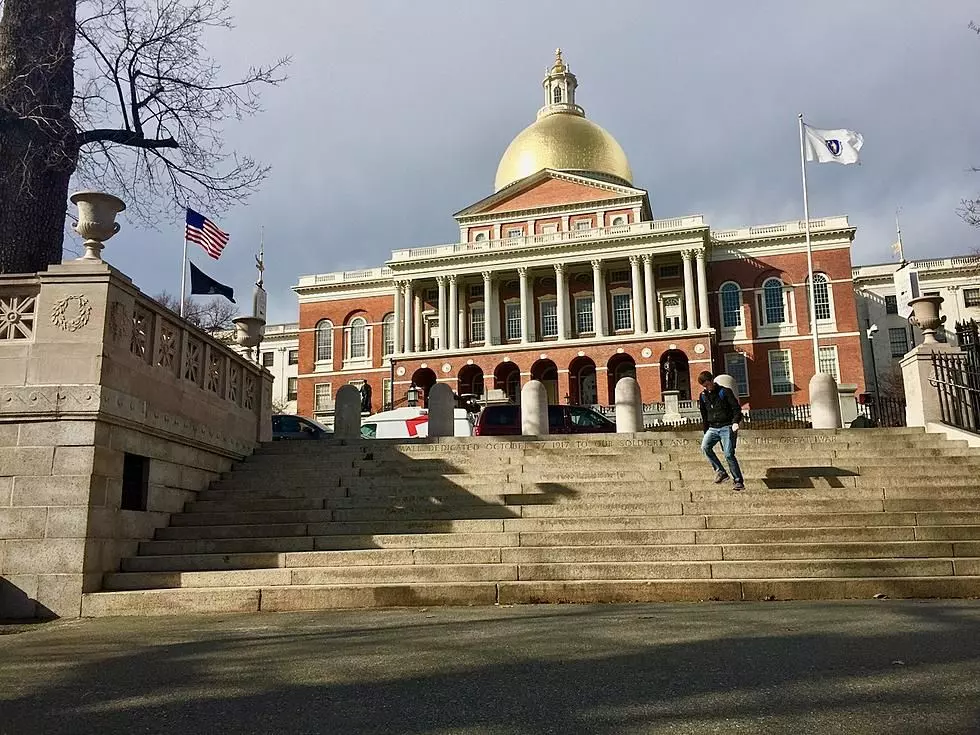
The Massachusetts Legislature is wading into the debate over reparations for slavery. The Legislature's Joint Committee on the Judiciary recently held a hearing on proposed legislation dealing with the matter.
The Boston Herald's Tim Dunn reported the legislation "would establish a special commission to study the feasibility and implementation of reparations payments and to draft a formal apology on behalf of Massachusetts residents for slavery in the United States."
The joint legislation (H.1753), "An Act Establishing A Commission To Study Reparations In Massachusetts," was filed by two Boston-area Democrats, Representative Russell Holmes and Senator Liz Miranda.

What the Reparations Legislation Would Do
According to the proposed legislation, "The commission shall consist of not less than 9, nor more than 15 members appointed by the governor, from a list provided by the senate president."
Who Would Serve on the Proposed Commission
The president of the Senate and the House Speaker would appoint two members each, and the Attorney General would select an appointee. The chairs of the House and Senate Joint Committee on Racial Equity, Civil Rights, and Inclusion would also make appointments to the Commission.
What the Commission Would Study
The Herald reported, "If passed, the Commission would be tasked with recommending 'reparative actions for slavery, its consequences and continued vestiges on residents of African descent,' and serving as the primary resource on the subject of reparations."
Massachusetts’ Historical Ties to Slavery
Mass.gov states, "In 1780, when the Massachusetts Constitution went into effect, slavery was legal in the Commonwealth. However, during the years 1781 to 1783, in three related cases known today as 'The Quock Walker case,' the Supreme Judicial Court applied the principle of judicial review to abolish slavery."
Massachusetts was a major player in the transatlantic slave trade and was the first English colony to legalize slavery in 1641.
New Bedford’s Role in the Anti-Slavery Movement
The City of New Bedford erected a Civil War Memorial, also known as the Soldiers and Sailors Monument, at what is now Clasky Common Park on July 4, 1866. The monument is dedicated to those from New Bedford who "fell defending their country in the struggle with slavery and treason."
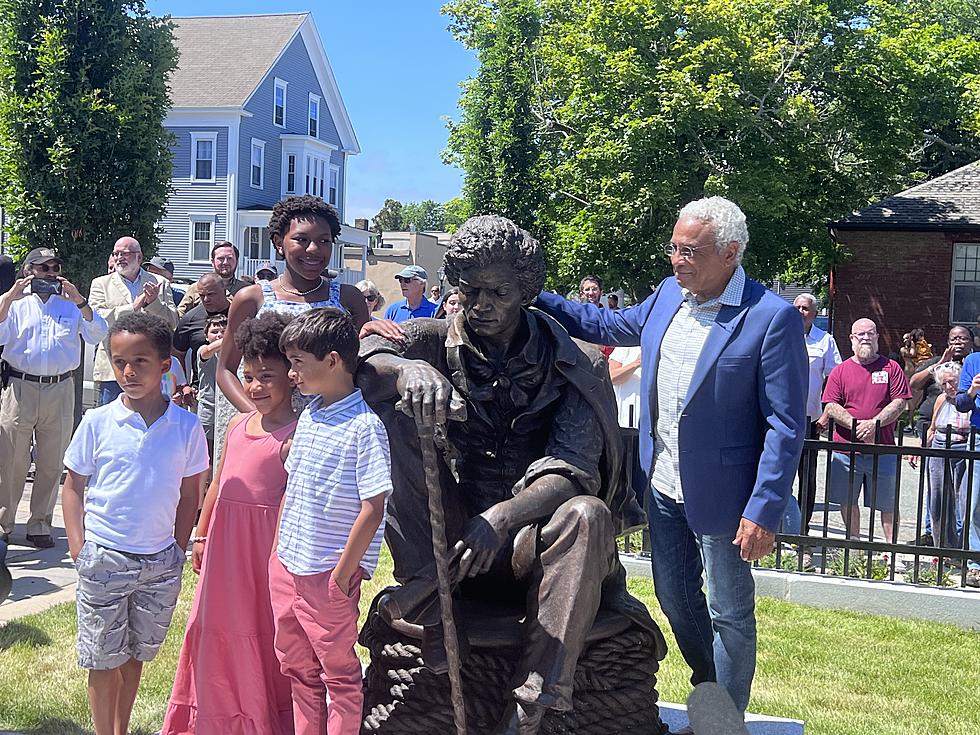
In June 2023, New Bedford dedicated Abolition Row Park, the centerpiece of the new Abolition Row Historic District.
LOOK: 19 Black historical figures you probably didn't learn about in class
Gallery Credit: Stacker
LOOK: 50 essential civil rights speeches
Gallery Credit: Karen Johanson
New Bedford Park Renamed for Civil Rights Hero
Gallery Credit: Ken Matias, Digital Intern
More From WBSM-AM/AM 1420