How Visitors Unintentionally Stress Shelter Animals (And How to Fix It)
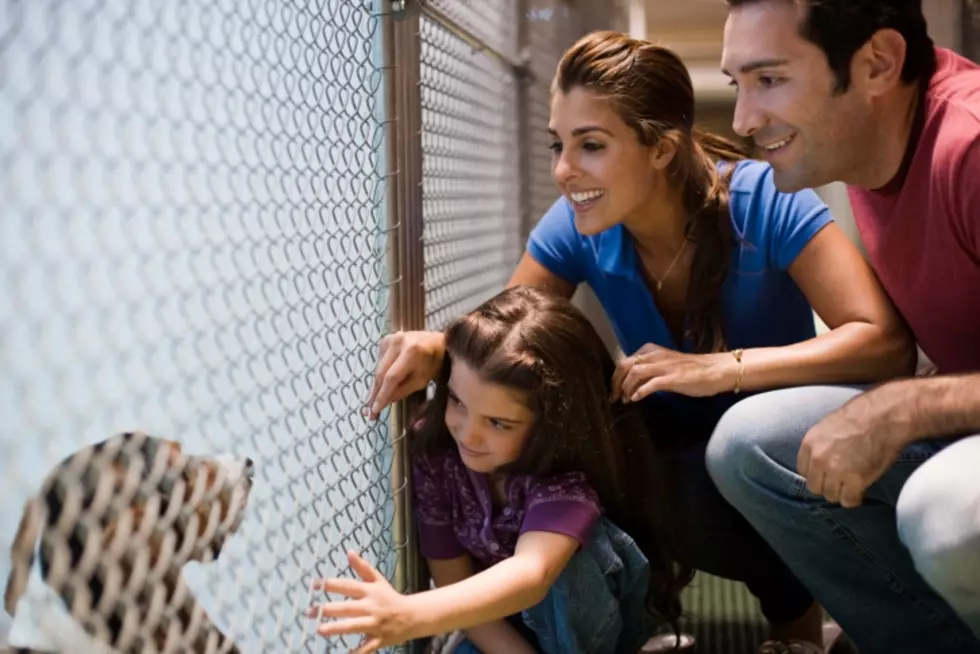
Whether you’re looking to adopt a pet or visiting an animal shelter to drop off donations, you can contribute to a calm shelter environment. Learning how your behavior affects the animals at the shelter is one small but important step to take before visiting. There are some surprising ways that visitors can cause animals stress without even realizing it.
Animals end up in shelters for a number of reasons. Dogs have to leave the sofas they’ve known their entire lives, small pets are abandoned, and cats are rehomed. There are so many possibilities, but one thing they all have in common is that the animal didn’t choose their circumstances.
Longtime animal rescue volunteer Liz Adams says that people visiting an animal shelter should understand that the animals don’t act the same in the shelter compared to how they would in a structured home. Adams is the founder of Pet Protect & Connect, a service that helps rescues process applications and match people and pets. She also has rescue pets of her own.
“An animal who was recently abandoned or surrendered has no idea why the family they knew suddenly disappeared,” Adams said. “Guests can help by coming in with an open mind and lowering pressure on that first interaction.”
Adams explained that visitors shouldn’t expect an immediate connection. Instead, she said to give the animal space and use a calm voice. If you've ever felt on edge just from being around someone who is having a bad day, you know how contagious stress can be. It’s the same for animals.
Understand the Impact of Stress on Shelter Pets
Reducing stress in the shelter can help keep animals healthy and even make them more adoptable, explained Stephanie Sokol, the Director of Programs and Engagement at PAWS, an animal welfare non-profit with a shelter located in Driggs, Idaho.
Even before going to the animal shelter, people can think about how to ensure their visit is a positive one. Sokol explained that this is especially important for families with children.
“One option is to have families go through some training,” Sokol said. “Fear Free Shelters offers some complimentary resources through their website.”
What to Wear and Bring to the Shelter
What you wear to the shelter also matters. Comfortable footwear that doesn’t leave your toes exposed and clothing that prevents scratches can help make interacting with animals safer. Sokol said that visitors should avoid jewelry and consider whether any fragrances they wear could be too strong, as some scents can be aversive to animals.
“Being able to remove as much fear as possible in an uncertain situation for an animal not only has a really great impact on the experience that they have, for hopefully the short time that they're in the shelter, but also the staff can work with them a bit easier if they're in a much more relaxed state,” Sokol said.
Always Follow Shelter Rules and Ask First
Ruth MacPete, veterinarian and author of Lisette the Vet and Her Dog Jett, said that shelters are doing their best to keep the animals comfortable, so following the shelter rules is a great way to help. Communication is key to understanding what kind of interaction the animals do well with, since the shelter team will have a better idea about which ones show fear or are shy.
“They know the animals and can often help you find the right match for your family,” MacPete said.
Asking before interacting with any animal at the shelter is important. MacPete also emphasized how important it is for visitors to use a calm approach.

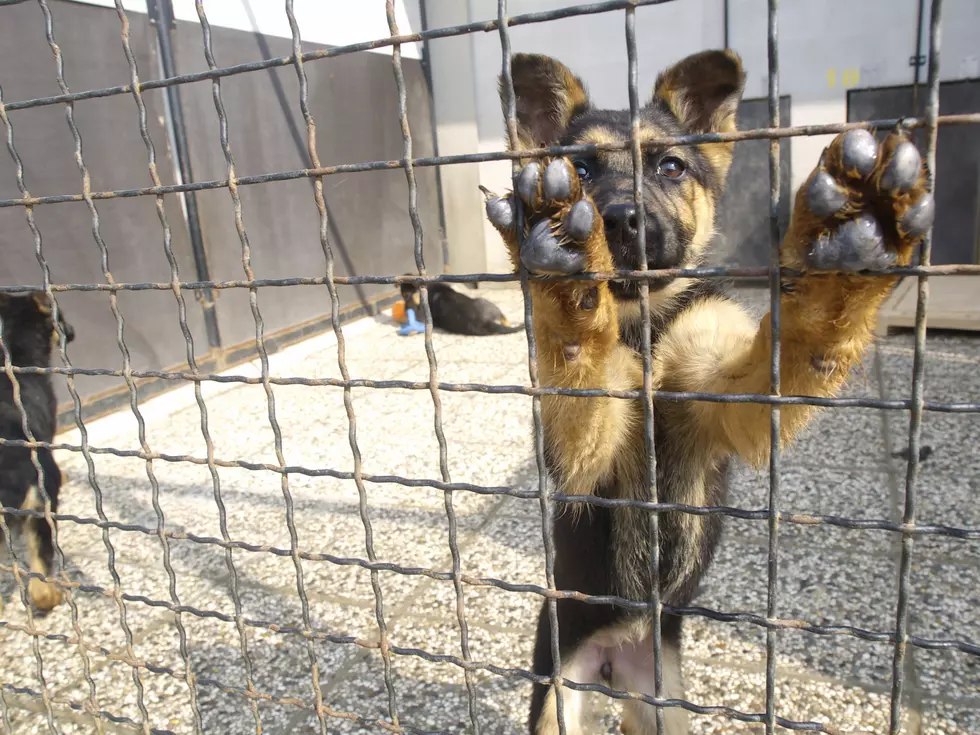
Local Animal Control Officer Kelsey Figueiredo said that when visiting the Fairhaven Animal Shelter, enter the way you would want someone to enter your own home. Figueiredo explained that it’s important to respect the animals’ space and never put your hands up to kennels or cages for both their safety and your own.
“Remember, some of the animals are scared from being new, or they have been in the shelter a long time and need patience and to be approached slowly,” Figueiredo said.
Just as stress seems to transfer between people, so does compassion. Paying attention to how your behavior can affect the animals is a great way to help them, and it shows the hard-working volunteers that you appreciate them by respecting the shelter rules.
Melissa Viera is the owner of MJ's Pet Training Academy in Acushnet.
Check out these 50 fascinating facts about dogs:
Gallery Credit: Linda Lombardi
More From WBSM-AM/AM 1420