
T.J. Del Santo: Historic Snowstorm Shattered Records Across SouthCoast
Both Boston and Providence meteorologists are calling this past weekend’s snowstorm one for the history books. According to 12 News Meteorologist T.J. Del Santo in the Pinpoint Weather Center, the storm delivered snowfall totals that surpassed even the legendary Blizzard of '78.
“It was unbelievable,” Del Santo said. “I think the single greatest snowstorm in New Bedford’s history. Thirty-seven inches were reported in parts of the city, and generally right around three feet fell across the SouthCoast.”
Communities including Fall River, Westport, Somerset, Swansea, and Seekonk were buried under historic snowfall of three feet or more. At New Bedford Regional Airport, snowfall reached 37.9 inches, breaking the previous record of 28.6 inches set during the Blizzard of '78.
Why This Storm Was So Intense
While total snowfall exceeded 1978 levels, Del Santo noted that the earlier storm had stronger winds and more coastal damage. Still, this storm officially qualified as a blizzard due to sustained winds and whiteout conditions lasting nearly nine hours.
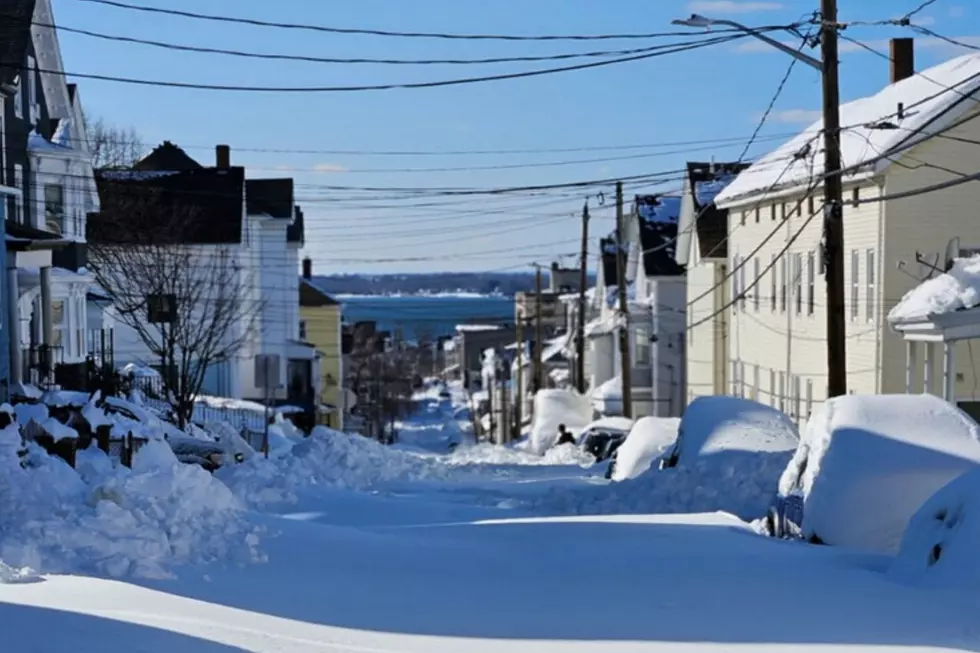
Snowfall rates were especially remarkable. “It was snowing at rates of two, three, four, maybe even five inches per hour at some points,” Del Santo said. “I’ve never seen it snow harder for longer.”
The storm’s intensity was driven by a powerful and nearly stationary snow band stretching from Westerly through Providence, Fall River, New Bedford, and into Boston. Unlike typical snow bands that move after a few hours, this one remained in place for nearly nine hours.

How Modern Forecasting Helped Prevent Disaster
Despite historic snowfall, modern forecasting and communication helped limit dangerous situations. Improved technology allowed meteorologists to warn residents well in advance, and statewide travel bans kept roads clear of stranded drivers.
“If there were no travel bans implemented, hundreds if not thousands of cars would probably still be stuck,” Del Santo said.
What to Expect Next
Looking ahead, Del Santo said there are no major snowstorms currently expected, though colder than normal temperatures are likely in the coming week. While some online speculation has suggested another storm could develop, he emphasized it is too early to confirm.
For now, this historic blizzard stands as a once in a generation event. “I don’t think we’ll ever see a setup quite like that again, at least in our lifetimes,” Del Santo said.
LOOK: The most expensive weather and climate disasters in recent decades
Gallery Credit: KATELYN LEBOFF
LOOK: The most extreme temperatures in the history of every state
Gallery Credit: Anuradha Varanasi
More From WBSM-AM/AM 1420